
Clean water, local food, climate resilience—protected close to home.
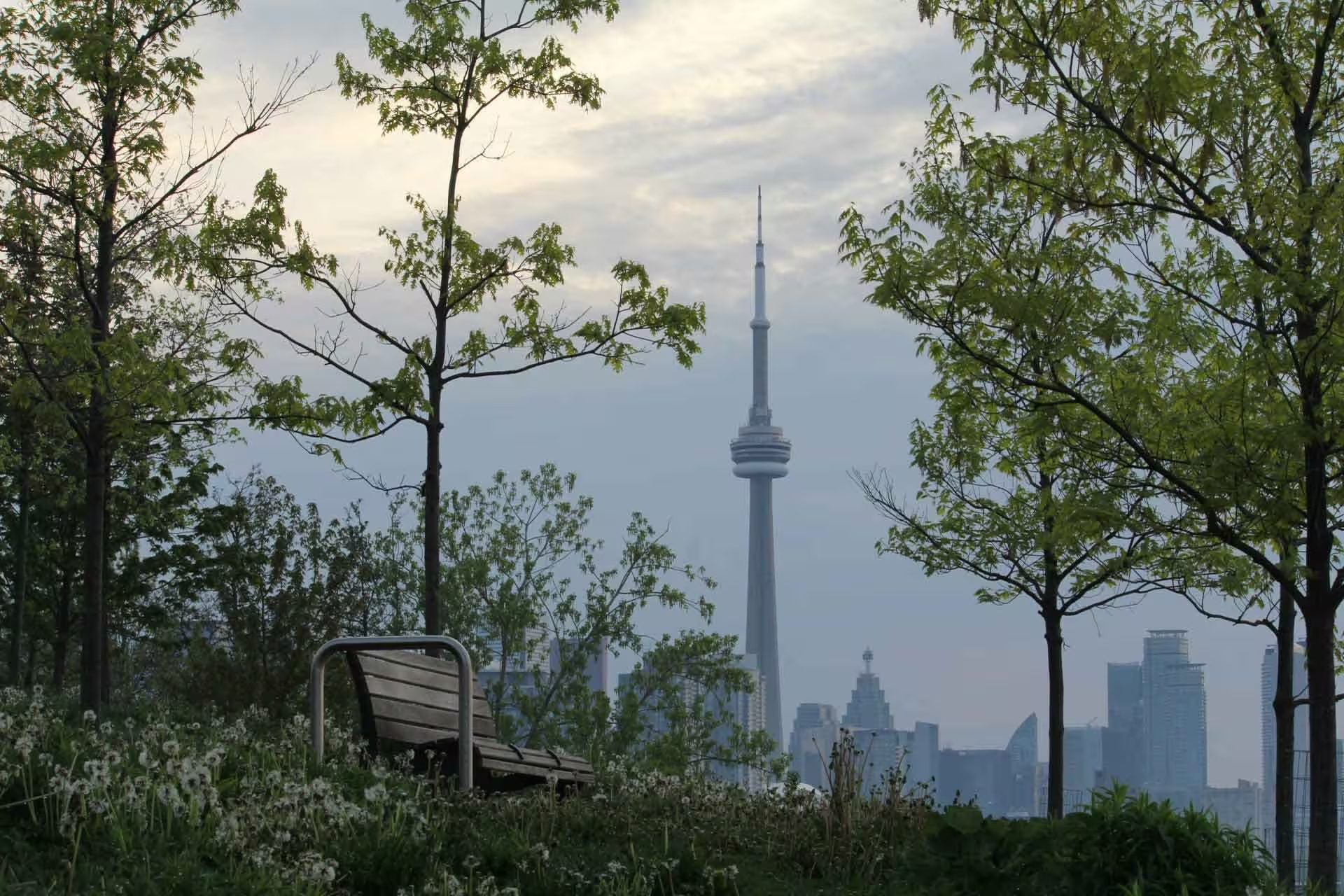
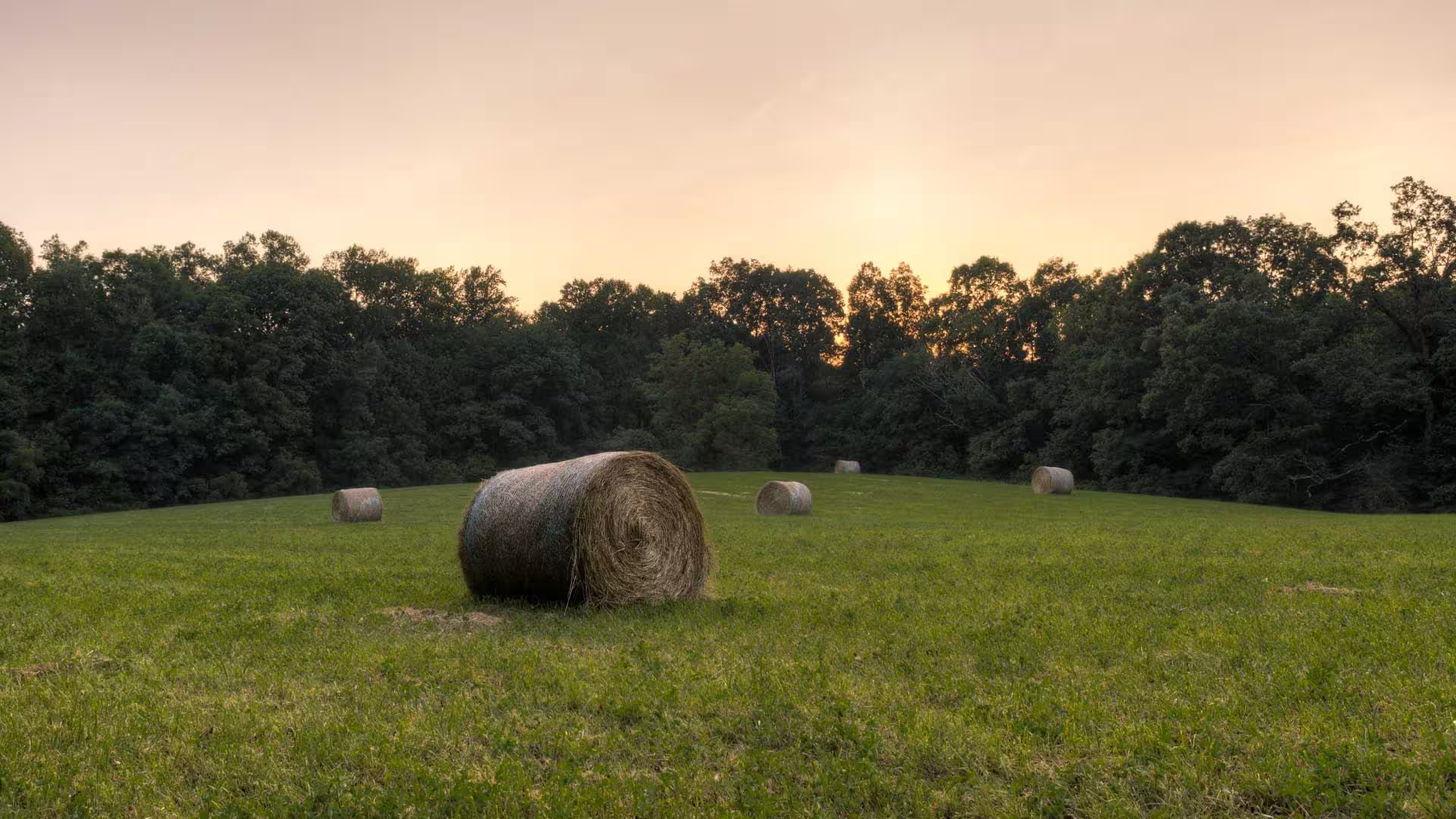

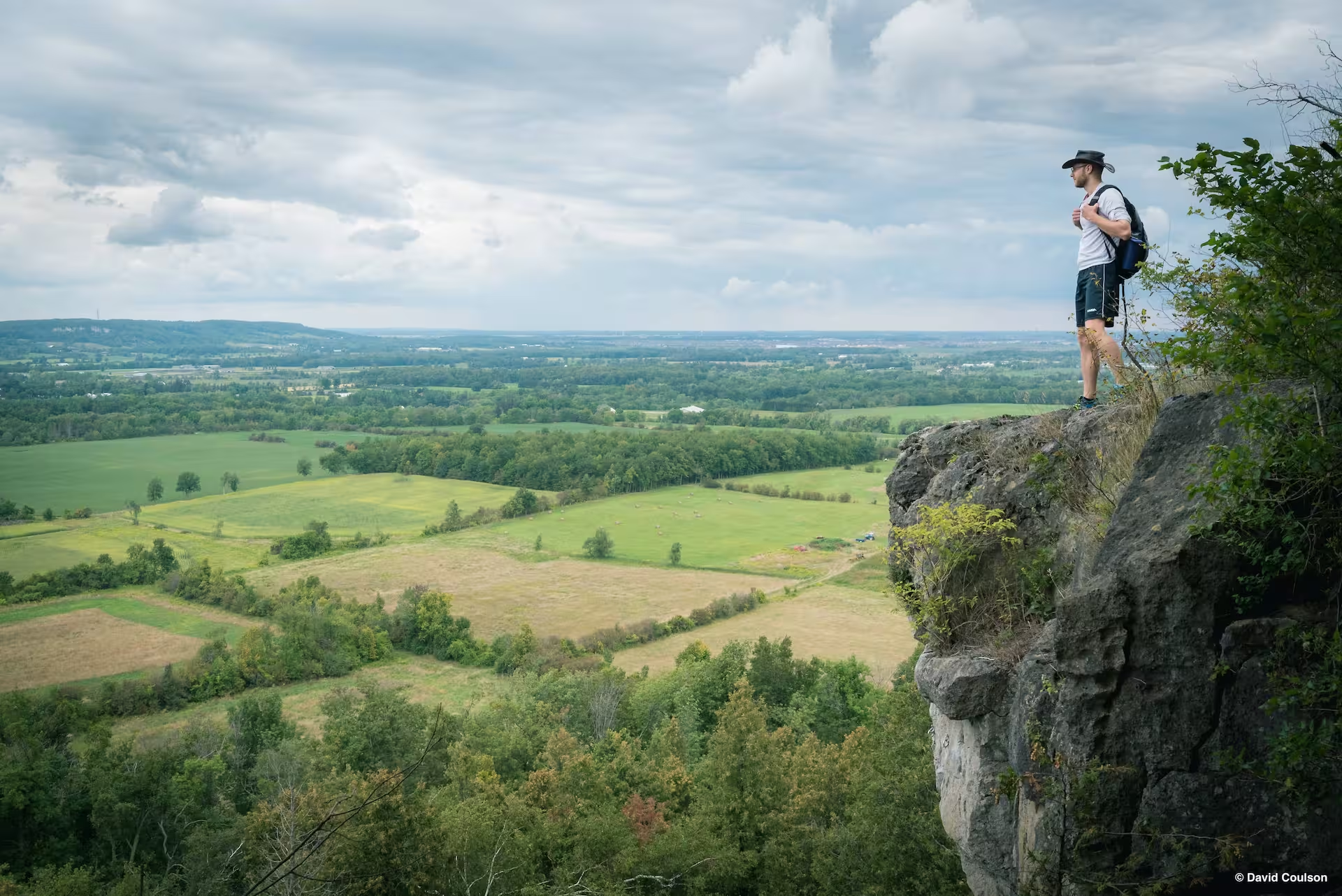
For nearly fifty years — beginning with the Niagara Escarpment Plan and later expanded through the Oak Ridges Moraine Conservation Plan and the creation of the Greenbelt itself — Ontario has been building one of the most enduring land-use protections in North America.
It’s also one of the province’s most recognizable features. Ask most Ontarians and they’ll tell you the Greenbelt is where farms, forests, and lakes come together: a place of hiking trails, conservation areas, and farmers’ markets that connect daily life with nature.
This attachment runs deep. The Greenbelt is not just policy on a map — it’s part of the way Ontario sees itself. But like any legacy, it only lasts if we continue to care for it. The question is: will we keep it safe for the next generation?
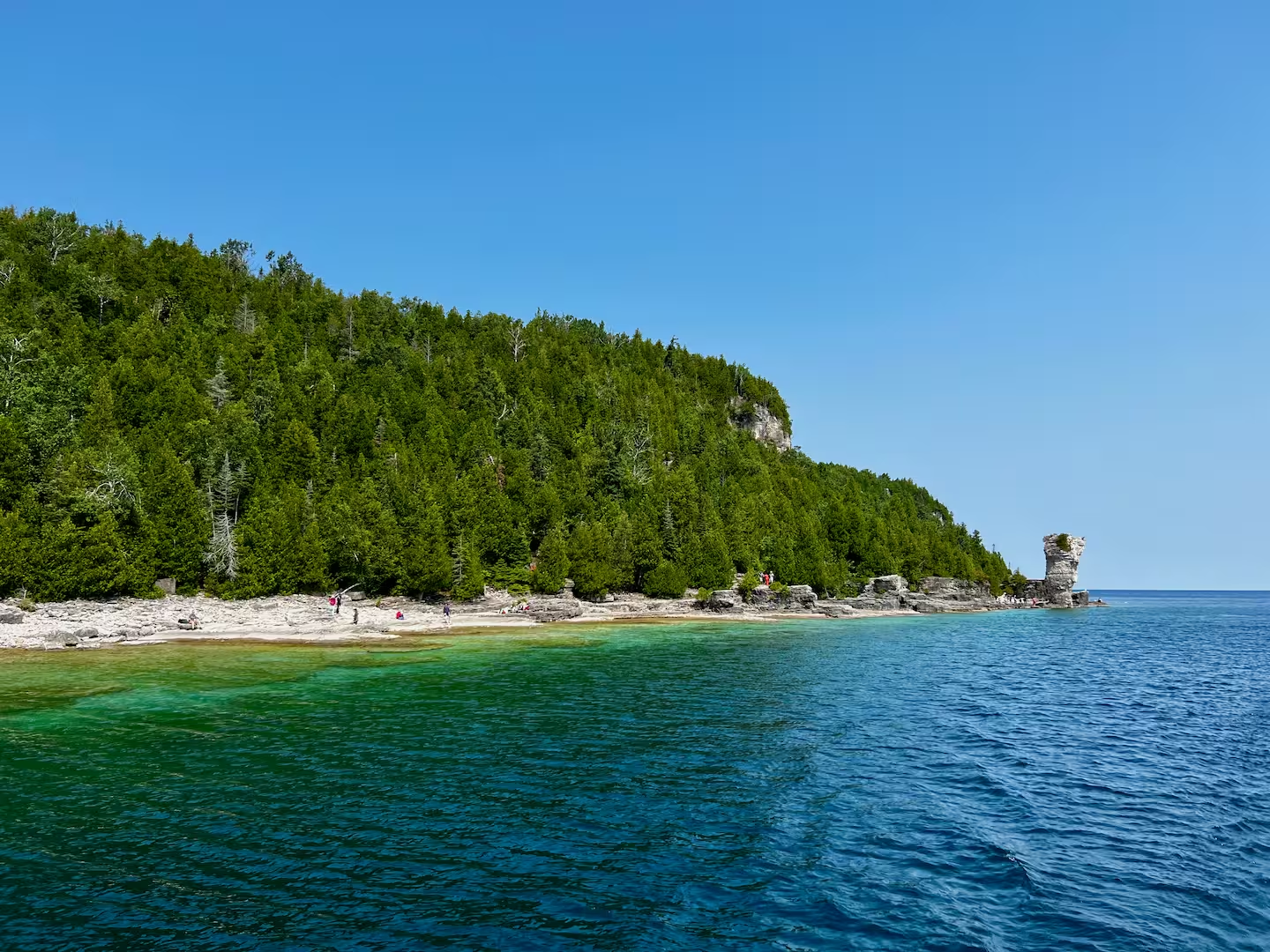
The Niagara Escarpment Plan, legislated in 1973, was Ontario’s first large-scale land-use protection. It responded to concerns over unchecked development and resource extraction—especially aggregate mining—that threatened the Escarpment’s unique cliffs, forests, and waterways.
Recognized internationally as a UNESCO World Biosphere Reserve, the Escarpment is also home to the Bruce Trail, nearly 900 km of continuous hiking from Niagara to Tobermory. Along its length are landscapes that drive Ontario’s tourism economy—from the ski slopes of Blue Mountain to the shipwrecks of Fathom Five and the world-renowned Niagara Falls.
The Escarpment’s limestone soils and climate moderated by Lake Ontario also sustain Ontario’s premier wine industry, producing world-class Riesling, Chardonnay, and Pinot Noir.
Even with decades of protection, pressures remain: quarry expansions, habitat loss, and the challenge of balancing recreation, tourism, and conservation. The Escarpment shows both the success of long-term protection and the vigilance still needed to keep it safe.
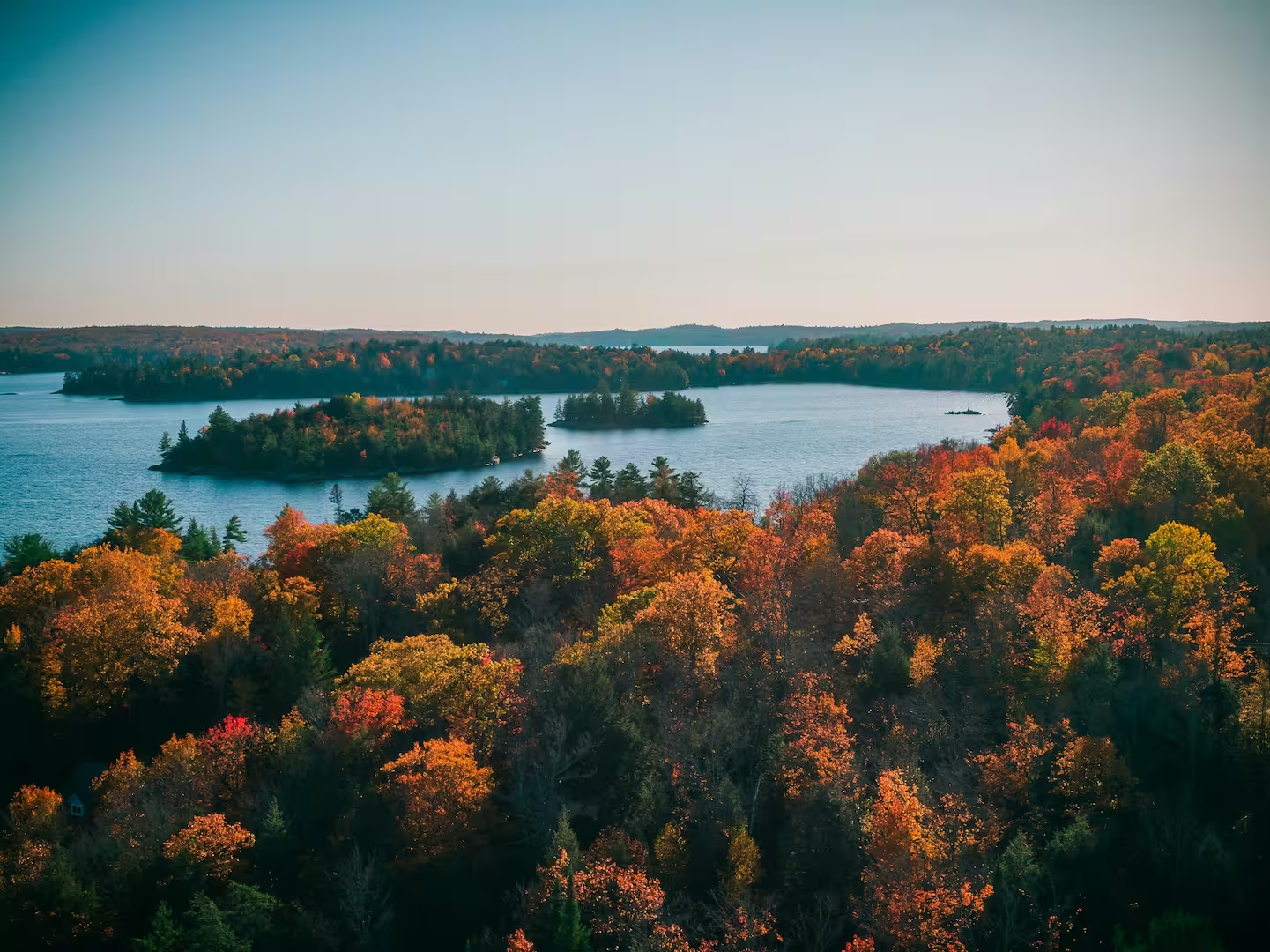
Created under the Oak Ridges Moraine Conservation Plan (2001), this rolling ridge of sand, gravel, and forest forms the headwaters of over 65 rivers and streams that flow into Lakes Ontario, Simcoe, and Huron. Its protection came after years of public pressure against sprawling subdivisions and highway projects that threatened to fragment its forests and contaminate groundwater.
The Moraine is sometimes called the “rain barrel” of southern Ontario: it stores and filters rainwater, replenishing aquifers that supply drinking water to over 250,000 people. Its valleys and wetlands also provide vital wildlife corridors across the urbanizing Greater Toronto Area.
Residents and visitors know the Moraine for its natural beauty—hiking, cross-country skiing, and conservation areas—yet challenges persist. Urban development pressure, new infrastructure corridors, and aggregate extraction continue to test the strength of its protections.
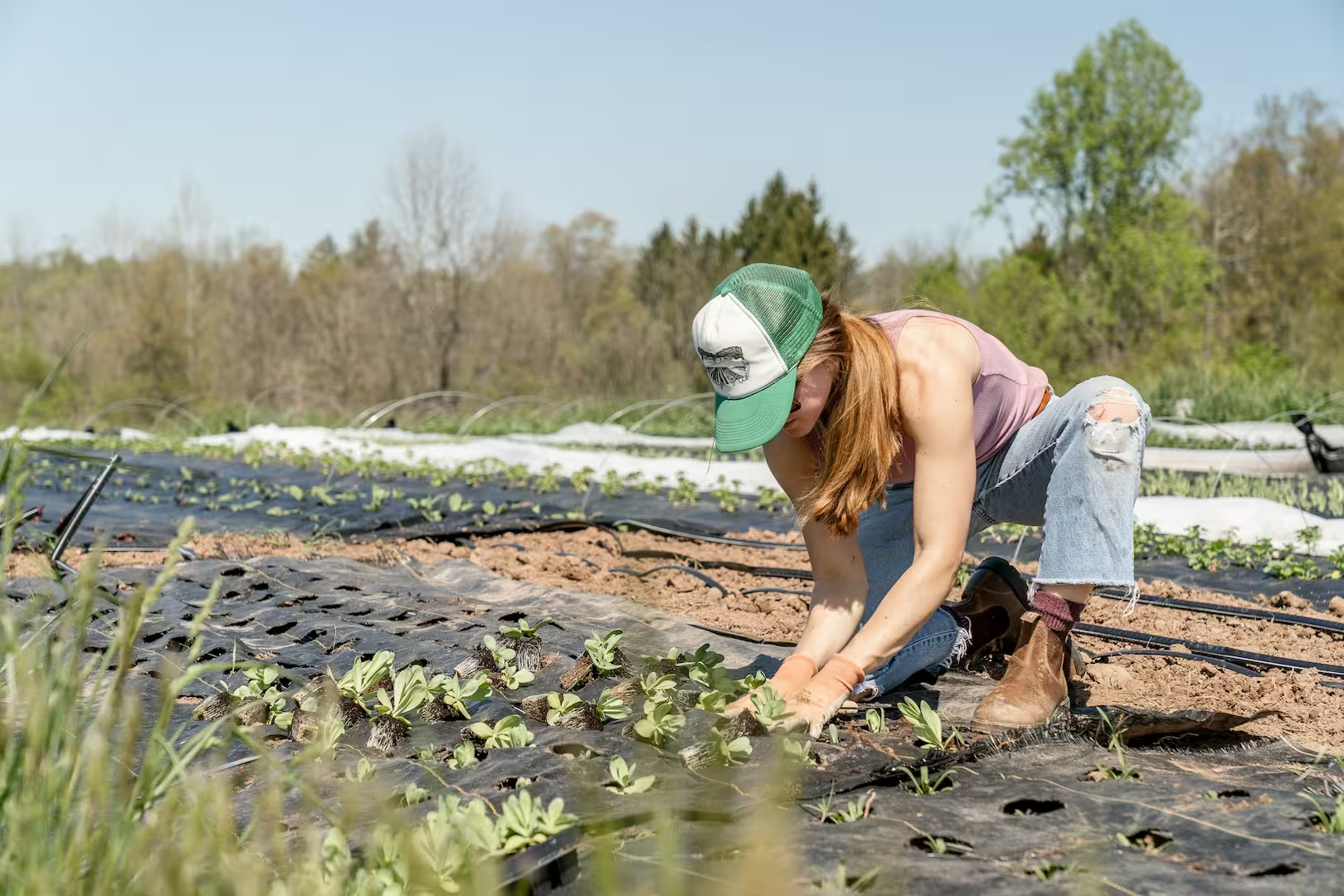
Established with the Greenbelt Act of 2005, the Protected Countryside knits together farmland, forests, and wetlands around the Golden Horseshoe into a permanent shield against sprawl. Its creation, under the Ontario Liberal government of Dalton McGuinty, responded to the wave of farmland loss and low-density expansion in the late 20th century.
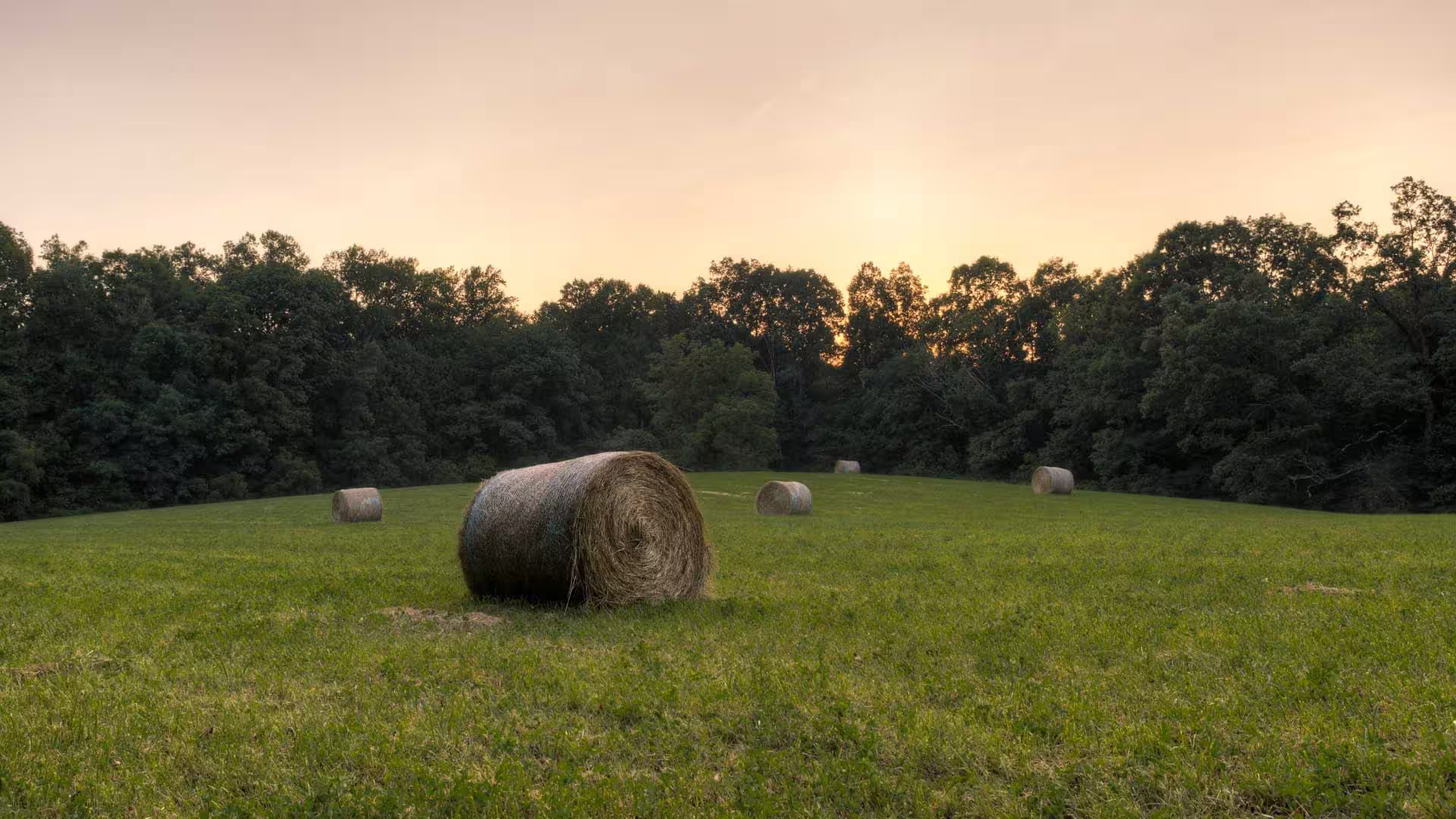
The Protected Countryside safeguards some of the best farmland in Canada, providing Ontarians with local fruits, vegetables, and dairy. It also supports vibrant farmers’ markets and agri-tourism, from apple orchards in Durham to vineyards in Niagara. Beyond food, it protects forests, wetlands, and wildlife habitats that store carbon and filter water.
Still, the Countryside remains under constant pressure. Developers and some municipalities continue to push for expansions or boundary changes, and climate change is creating new stresses on farms and ecosystems. Yet it remains the Greenbelt’s backbone—its largest and most diverse protected area.
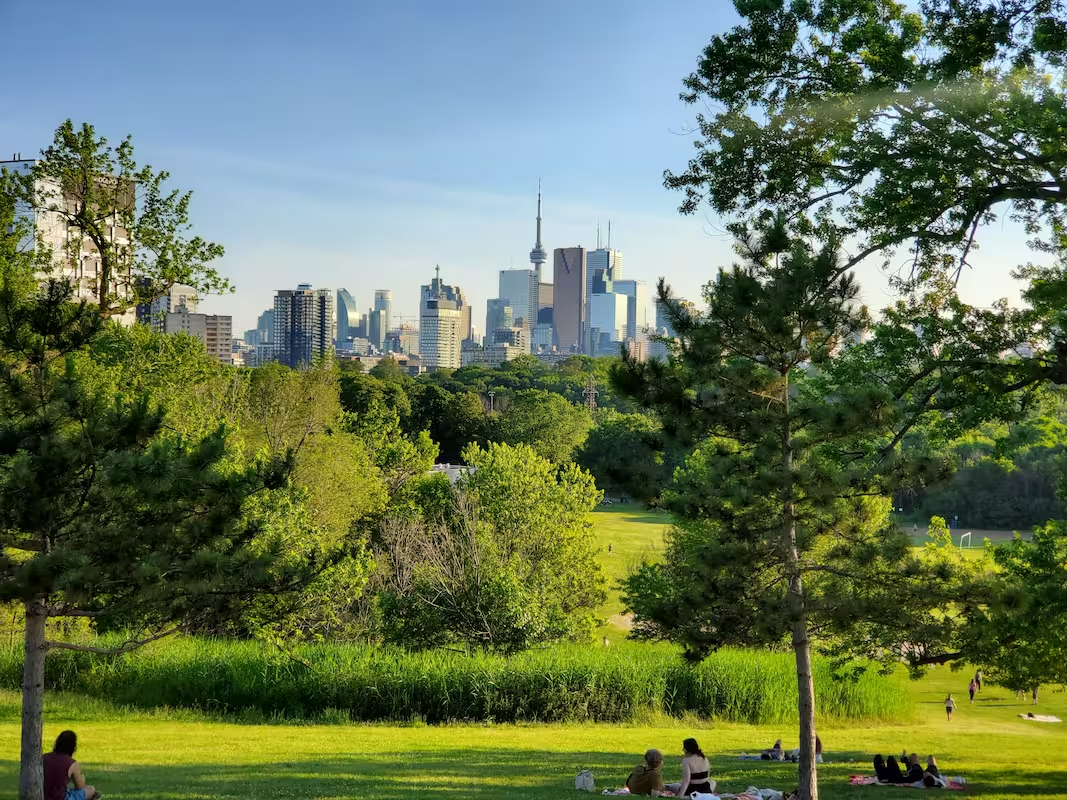
Designated in the 2013 Greenbelt expansion, the Urban River Valleys (URVs) bring the Greenbelt into Ontario’s largest cities. They recognize that rivers like the Don, Humber, and Credit are not just drainage corridors but living ecosystems that connect millions of people with nature daily.
URVs protect floodplains, ravines, and trails that double as green infrastructure: absorbing stormwater, cooling neighbourhoods, and providing space for biking, walking, and community gathering. They stitch the countryside to the city, linking urban residents with the larger Greenbelt network.
Challenges remain—pollution, invasive species, and development pressure on adjacent lands—but their inclusion in the Greenbelt demonstrates a growing recognition: protecting nature doesn’t stop at the city’s edge.
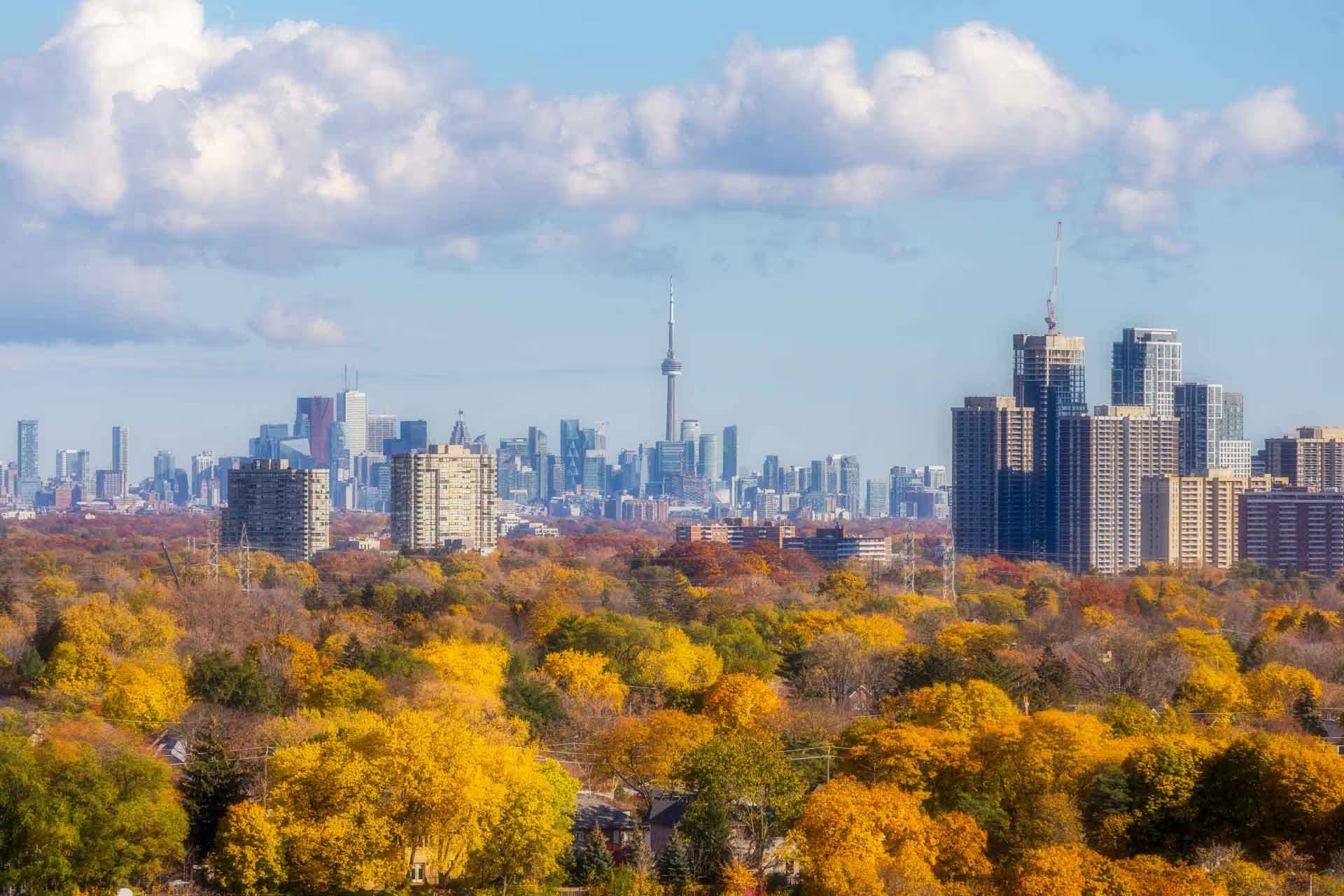

Beyond its natural beauty, the Greenbelt delivers concrete benefits: it supports thousands of jobs, provides billions of dollars in ecosystem services, and is one of the most widely supported policies in Ontario.
Ontario’s Greenbelt supports over 177,000 jobs across farming, tourism, and the food economy. From wineries and farmers’ markets to hospitality and outdoor recreation, the Greenbelt fuels a resilient regional economy.
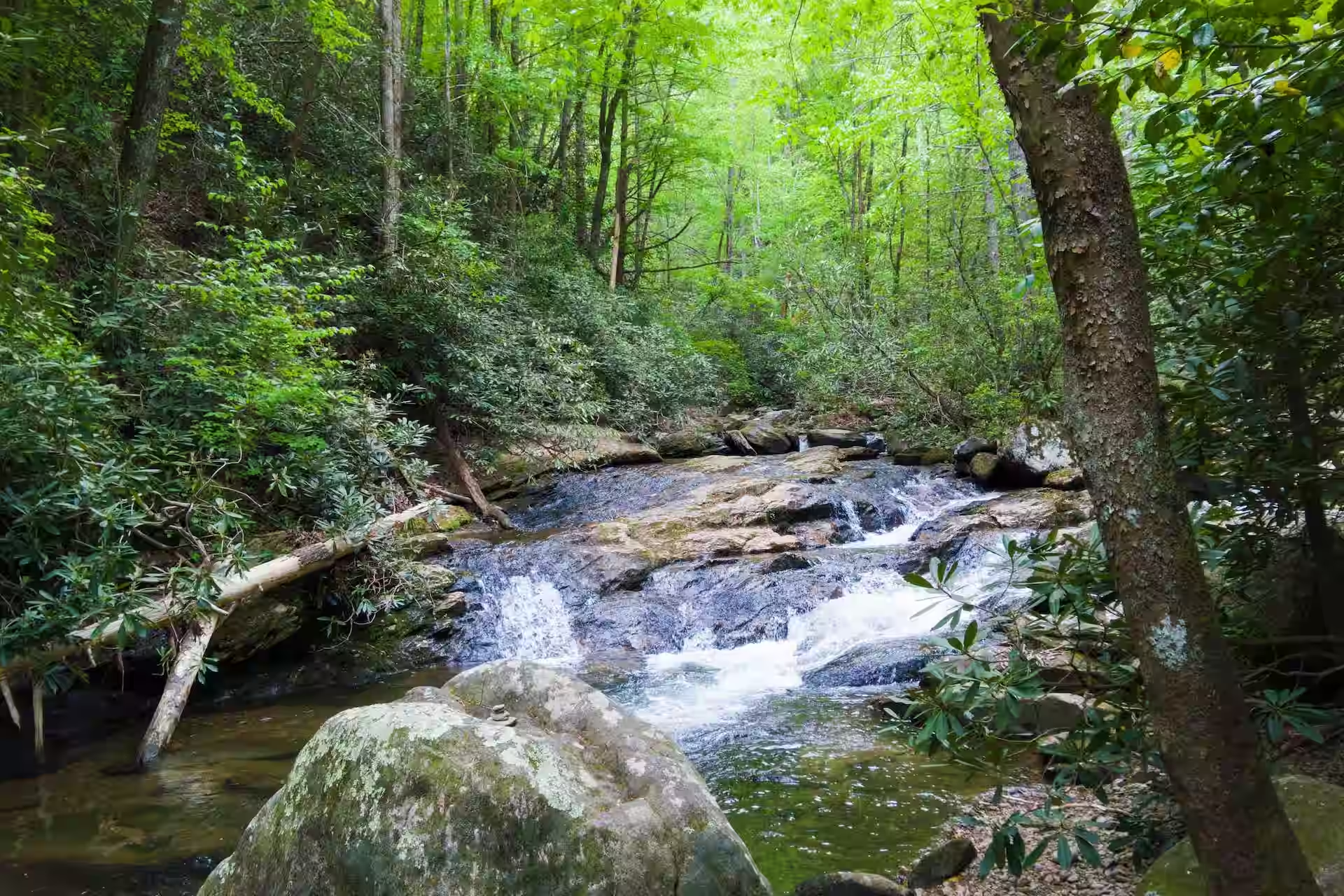
The Greenbelt’s forests, wetlands, and rivers provide more than $2.6 billion annually in ecosystem services. These include clean drinking water, flood control, pollination, and carbon storage — benefits that grow more vital as climate risks rise.
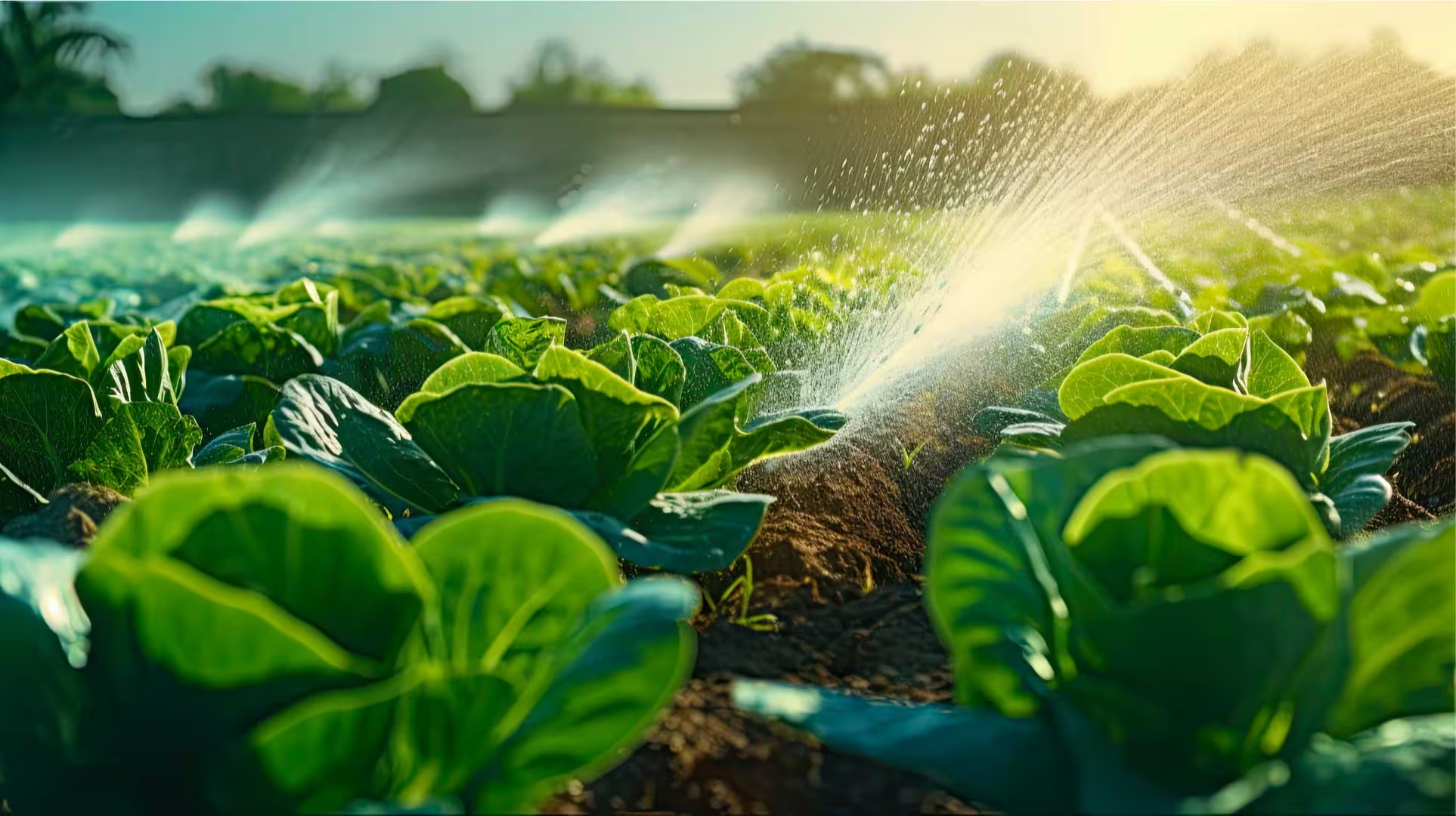
Over 750,000 acres of farmland lie within the Greenbelt. Protecting these lands means fresh, local food for Ontario families, and long-term security for farmers facing pressure from sprawl.
Public surveys consistently show that 80–90% of Ontarians support the Greenbelt. It’s one of the province’s most trusted and recognized environmental protections.
For half a century, Ontarians have built one of the most ambitious land-use protections in the world. From the Niagara Escarpment to the Oak Ridges Moraine, from local farms to urban river valleys, the Greenbelt is part of who we are.
But protection is never permanent without people. Aggregate proposals, boundary pressures, and climate change mean that the Greenbelt still needs defenders.
That’s where the Ontario Greenbelt Alliance comes in. As a coalition of member organizations, OGA works to amplify local voices, provide credible research, and mobilize communities. Together, we champion farms, forests, and waters that millions of Ontarians depend on.
The Greenbelt is more than policy lines on a map. It’s fresh food, clean water, trails and markets, and a sense of place. With your support, we can keep it that way.
Act Now
